In the fast-paced industrial landscape, the challenges faced by sectors such as oil and gas, crude refining, power generation, and cement manufacturing are immense. Tridiagonal has the key technological advancements that have revolutionized these sectors is the application of Fluid Structure Interaction (FSI) analysis.
What is Fluid Structure Interaction (FSI)?
- FSI is a complex phenomenon that occurs when fluid flow causes forces on structures, leading to structural deformations.
- It represents the interaction between fluid dynamics and structural mechanics.
- FSI is essential for designing safe, efficient, and reliable industrial systems.
- Engineers use coupled CFD (Computational Fluid Dynamics) and FEA (Finite Element Analysis) techniques.
- FSI helps address vibration and fatigue analysis challenges.
- Thermal-stress evaluations are used to assess structural integrity in high-temperature environments.
FSI in the Oil and Gas Industry
- FSI analysis is critical for offshore platforms, pipelines, and drilling equipment.
- Marine environments create risks from waves and currents causing vibration and fatigue.
- FSI helps predict interactions and prevent catastrophic structural failures.
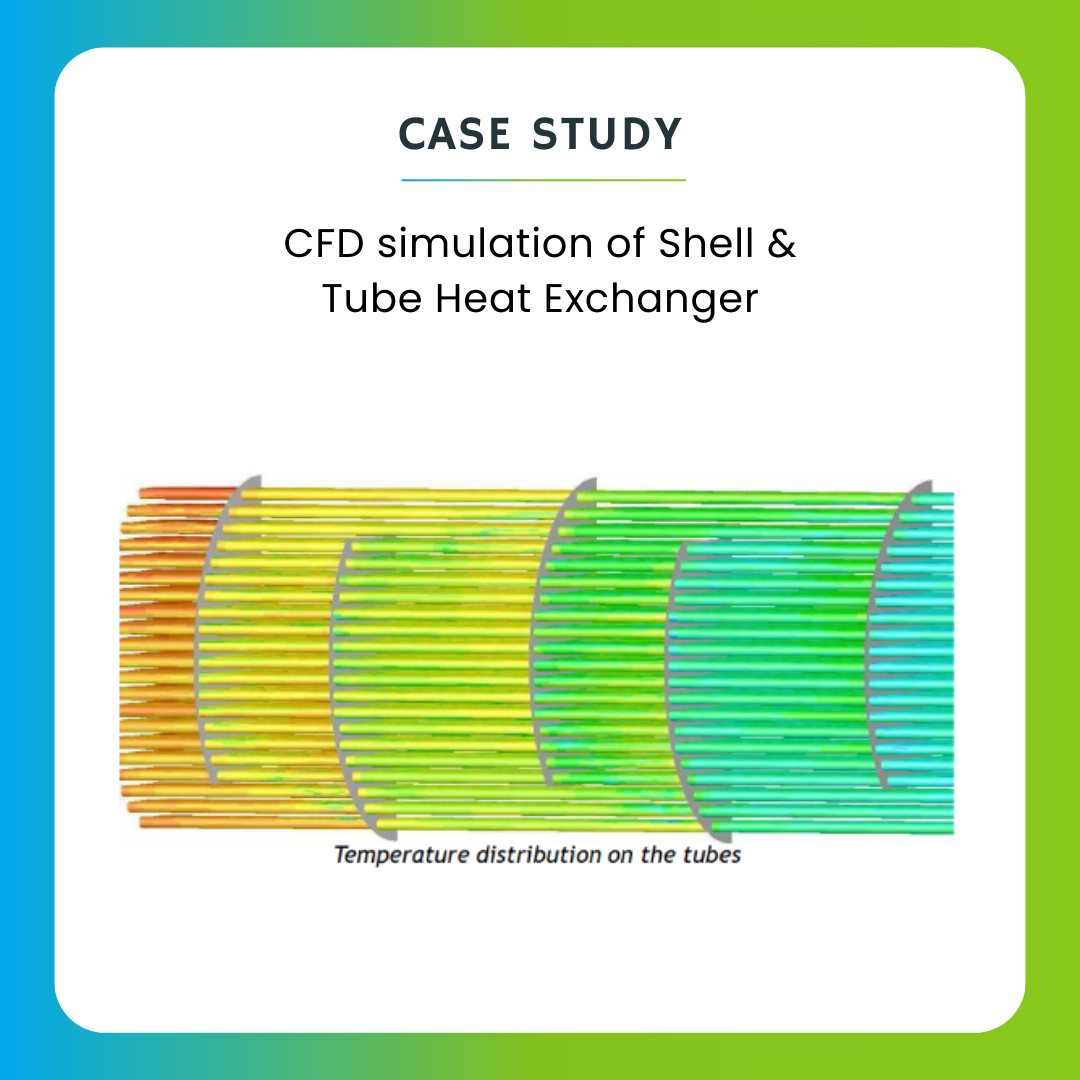
- In crude refining, flow-induced vibrations in heat exchangers can cause tube wear and leakage.
- FSI enables optimized designs, reduced downtime, and improved safety standards.
FSI in Power Generation
- FSI analysis supports the design of turbines, cooling systems, and containment structures.
- Accurate prediction of fluid-structure interactions improves equipment longevity.
- FSI contributes to operational efficiency and reduced maintenance costs.
FSI in the Cement Industry
- FSI analysis is used in designing kilns, mills, and dust collection systems.
- It helps address thermal stresses, material buildup, and equipment wear.
- FSI improves production efficiency and reduces environmental impact.
Conclusion: Industries can leverage advanced multiphysics simulation and FSI modeling approaches to improve operational safety, reliability, and efficiency.